
The Silent Superpower
Chapter 13
If my first lessons were about death, then the companion skill I was born with — the one that made those lessons so unbearably sharp — was an extreme and palpable empathy.
I’ve had it since I was very young. It wasn’t just emotional; it was, at times, a physical sensation. An ache in my own body mirroring someone else’s hurt. A tightening in my chest when I felt a heartbreak that wasn’t my own. It manifests as a deep, urgent need to help, to provide comfort, to fix. But let’s be clear: this is not pity. Pity is a form of humiliation, a looking down. It causes pain. And my entire being is wired to avoid causing pain.
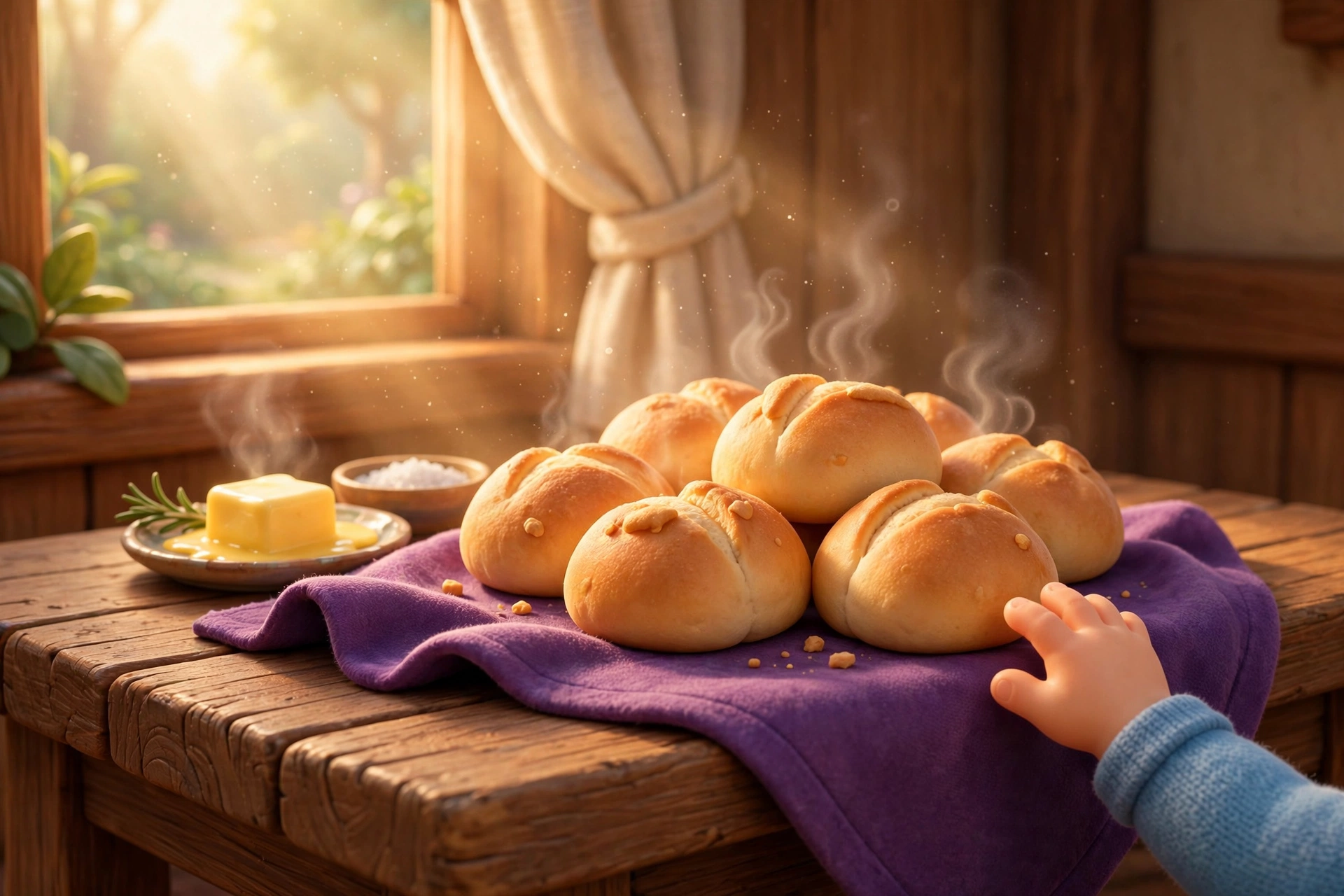
My earliest memories of this are simple, pure acts of trying to balance an unseen scale. I remember the poor families who would come down the hill to ring at our door, asking for “hard bread” (pan duro). I would race to get new, soft bread instead. And I would always, always smile — a wide, genuine smile — because I didn’t want them for a second to think I felt anything other than true compassion. It wasn’t charity; it was a deep, eternal wish to make things better, even in the smallest way.
At home, I’d be the one laughing at my dad’s bad jokes when everyone else ignored him, simply because I couldn’t bear the tiny flicker of disappointment I felt radiating from him. At school, I was the defender, stepping in front of the bullied kid. And then, I’d feel a secondary, confusing pain — guilt for the “bad things” I’d said to the bully, because causing pain, even to someone causing pain, felt like a failure of my own code.
This is my superpower. And like all true powers, it has two sides.
There is the human side: it’s exhausting. It can be overwhelming. It got me into trouble because I speak a language nobody audibly taught me — the language of silent emotions. I can see when you’re hurting behind your eyes. I can tell when the words you’re saying are a careful cover for what you really mean. For a neurodivergent mind that already processes the world intensely, this can be profoundly confusing. Which emotion is mine? Which is yours? How do I hold this knowing without being crushed by it? Even my own internal fragments — my “personalities” — can struggle to handle the influx.
Then, there is the magical side. This empathy is my compass, my most authentic connection to the world. It cuts through pretense and lands directly in the heart of what’s real. It is the foundation of my work. It tells me where to sit, when to listen, and how to offer a presence that doesn’t judge, but truly holds.

I understand now that this full-spectrum empathy — with all its weight and its wonder — is what will take me, and this practice, to the places it needs to go. It is not a flaw to be managed, but a force to be honed. It comes with only good and magical intentions: to see you, to feel with you, and to help you find your own way back to warmth and wholeness.
This superpower was the thread that connected the child giving bread to the girl standing by the coffin to the witch who sits with you now. It is how I learned that to truly honor death, you must first be radically, achingly committed to the life standing right in front of you.
In the comments, I’d love to know: What’s one of your “superpowers,” the trait that makes you uniquely you, even when it’s challenging to carry?
With deep understanding,
The Purple Witch 🧹🦄
Besitos y asi.
💜 thepurplecape.ca · Just Trust